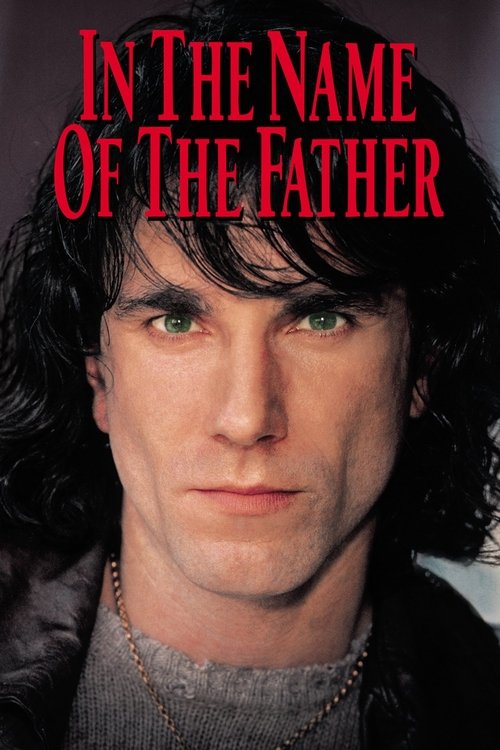
In the Name of the Father
In the Name of the Father is a searing true story of injustice, resilience, and the unbreakable bond between a father and son caught in the political turmoil of 1970s Northern Ireland. This powerful drama unpacks the fight for truth against overwhelming odds, making it a pivotal watch for those seeking compelling historical narratives.
Director
Jim Sheridan
Release Year
1993
Runtime
133 minutes
Genres
Main Cast
Daniel Day-Lewis, Pete Postlethwaite, Emma Thompson, John Lynch, Corin Redgrave
About In the Name of the Father
Jim Sheridan's "In the Name of the Father" stands as a monumental cinematic achievement, bringing to the forefront the harrowing true story of the Guildford Four. Released in 1993, the film meticulously reconstructs the wrongful convictions of Gerry Conlon and his father, Giuseppe, for the 1974 IRA pub bombings. Its impact resonated deeply, sparking conversations about civil liberties, governmental accountability, and the destructive nature of prejudice and targeted prosecution.
The narrative plunges viewers into the chaotic political landscape of 1970s Belfast and London, painting a stark picture of a society rife with suspicion and sectarian violence. Gerry Conlon, a petty thief, finds himself an unwitting pawn in a larger political game when he and his friends are coerced into confessing to a crime they did not commit. The film then shifts dramatically to their grueling battle within the British judicial system, focusing on Gerry's fierce determination to clear his name and, more importantly, that of his ailing father.
Critically, the film was lauded for its powerful performances, particularly Daniel Day-Lewis as Gerry Conlon, whose portrayal encapsulated both the raw anger and profound vulnerability of a man unjustly imprisoned. Pete Postlethwaite, as Giuseppe Conlon, offered a masterclass in quiet dignity and unwavering paternal love, earning him an Academy Award nomination. The film itself garnered seven Oscar nominations, including Best Picture, Best Director, and Best Adapted Screenplay, underscoring its significant artistic and cultural merit. Its unflinching depiction of systemic injustice and the emotional toll it takes solidified its place as a classic.
"In the Name of the Father" leaves an enduring legacy as a poignant reminder of the importance of vigilance against judicial overreach and the enduring strength of the human spirit in the face of adversity. It continues to be studied for its historical context and its masterful storytelling, serving as a powerful testament to those who fought for justice against immense pressure. The film's exploration of familial love amidst trauma remains a cornerstone of its lasting appeal and emotional resonance.
Drafts Featuring In the Name of the Father
Every SnakeDrafts listicle where this movie appears
Similar Movies
Movies related to In the Name of the Father

Frequently Asked Questions
Everything you need to know about In the Name of the Father
- Gerry Conlon's journey of self-discovery and transformation is central to the film. Initially a rebellious and aimless youth, his wrongful imprisonment and the shared ordeal with his father forge a newfound sense of purpose and maturity, leading him to fiercely advocate for justice.
- While dramatized for cinematic effect, the film largely adheres to the factual account of the Guildford Four case. It captures the essence of the legal struggles, the flawed evidence, and the relentless efforts of Gareth Peirce to expose the truth within the British legal system.
- Giuseppe Conlon serves as Gerry's moral compass and a symbol of unwavering integrity. His quiet strength, faith, and resolute belief in justice inspire Gerry to persevere, even in the darkest of times, making their father-son bond a crucial emotional core of the narrative.
- The film powerfully illustrates the deep-seated prejudices and tensions that characterized Irish-British relations during the Troubles. It highlights how these historical conflicts fueled an environment where miscarriage of justice could occur, impacting innocent lives and exacerbating existing societal divisions.
- The ending, depicting Gerry and his co-accused finally exonerated, is a moment of profound catharsis and bittersweet triumph. It underscores the eventual victory of truth but also painfully reminds us of the years of life stolen, leaving a lasting impression on the audience about the human cost of injustice.

