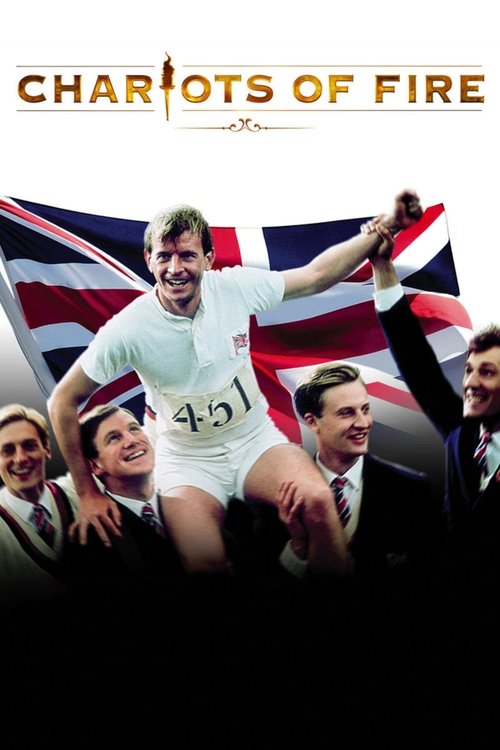
Chariots of Fire
Experience the inspiring true story of two extraordinary athletes, Eric Liddell and Harold Abrahams, as they push the boundaries of sport and faith in their pursuit of Olympic glory. Chariots of Fire is a timeless tale of conviction, perseverance, and the indomitable human spirit that continues to resonate with audiences worldwide.
Director
Hugh Hudson
Release Year
1981
Runtime
123 minutes
Genres
Drama, History
Main Cast
Ben Cross, Ian Charleson, Cheryl Campbell, Alice Krige, Nigel Havers
About Chariots of Fire
Chariots of Fire transports viewers to the rigid societal landscape of 1920s Britain, where class distinctions and religious beliefs profoundly shaped individual destinies. The film masterfully interweaves the parallel narratives of Eric Liddell, a devout Scottish missionary for whom running is an act of worship, and Harold Abrahams, a Jewish Cambridge student battling systemic antisemitism.
The film's enduring cultural impact stems from its powerful exploration of conviction and the pursuit of personal truth. Liddell's unwavering commitment to his faith, even when it means sacrificing an Olympic race, stands in stark contrast to Abrahams' fierce determination to overcome prejudice through athletic excellence. This thematic richness, coupled with its iconic Vangelis score, cemented Chariots of Fire as a cinematic touchstone.
Critically acclaimed upon its release, Chariots of Fire garnered numerous accolades, including four Academy Awards: Best Picture, Best Original Screenplay, Best Original Score, and Best Costume Design. Its success underscored the universal appeal of its underdog narrative and its profound character studies. The film's elegant cinematography and historical authenticity also drew significant praise.
The legacy of Chariots of Fire extends beyond its awards and critical acclaim. It remains a powerful testament to the triumph of the human spirit and the importance of adhering to one's principles. Its central message—that true victory lies not just in winning, but in living by one's convictions—continues to inspire generations of athletes and dreamers alike.
Drafts Featuring Chariots of Fire
Every SnakeDrafts listicle where this movie appears
Similar Movies
Movies related to Chariots of Fire



Frequently Asked Questions
Everything you need to know about Chariots of Fire
- Eric Liddell's refusal to compete in his qualifiying heat for the 100-meter race at the 1924 Paris Olympics, a race he was favored to win, because it was held on a Sunday, is central to his character. It highlights his unwavering commitment to his Christian faith and his belief that Sunday is a day of rest and worship. This act of conviction forces him to switch to the 400-meter race, where he ultimately achieves unexpected glory.
- Harold Abrahams, as a Jewish man striving for success in an often-discriminatory society, faces subtle and overt antisemitism. He uses his athletic prowess as a means to prove his worth and challenge the prejudices he encounters. His drive to win is fueled by a desire for acceptance and to overcome the societal barriers placed upon him.
- The title "Chariots of Fire" is inspired by a line from the Old Testament, specifically 2 Kings 2:11, which describes the prophet Elijah being taken to heaven by a chariot of fire. It evokes a sense of divine inspiration, spiritual power, and the almost mythical pursuit of excellence, aligning with Eric Liddell's deeply religious motivations and the transcendent nature of the athletes' endeavors.
- Vangelis' iconic electronic score is arguably as famous as the film itself. Its soaring, majestic melodies, particularly the main theme, perfectly encapsulate the spirit of triumph, struggle, and the cinematic grandeur of the athletes' journeys. The music elevates key scenes, imbuing them with a timeless and emotionally resonant power.
- Chariots of Fire beautifully contrasts the differing motivations of its two protagonists. Eric Liddell runs to honor God, viewing his athletic gifts as a divine blessing, while Harold Abrahams runs to prove his worth and defy societal prejudice. The film suggests that while their reasons differ, both men are driven by deeply personal and powerful convictions that lead them to extraordinary achievements.

