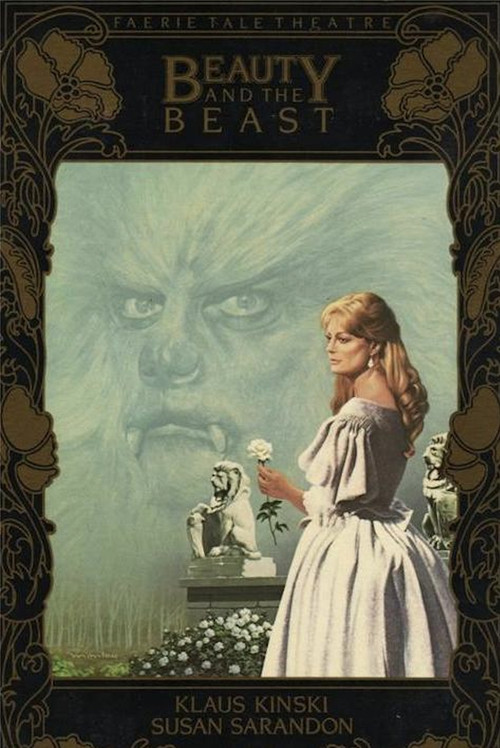
Beauty and the Beast
Step into a world where true beauty lies within, as a courageous young woman encounters a cursed beast in this enchanting tale of sacrifice and unexpected love. This timeless story explores themes of inner beauty, compassion, and the transformative power of acceptance, captivating audiences with its rich narrative and memorable characters.
Director
Roger Vadim
Release Year
1984
Runtime
52 minutes
Genres
Fantasy, Romance, TV Movie
Main Cast
Klaus Kinski, Susan Sarandon, Stephen Elliott, Anjelica Huston, Nancy Lenehan
About Beauty and the Beast
Roger Vadim’s 1984 television adaptation of "Beauty and the Beast" offers a distinctive and often overlooked interpretation of the classic fairy tale. While many adaptations lean into grand fantasy, Vadim's version, starring Klaus Kinski as the Beast and Susan Sarandon as Beauty, brings a nuanced and at times darker psychological depth to the familiar narrative. The film, produced for Shelley Duvall's Faerie Tale Theatre, stands out for its unique casting and approach to the enduring themes of appearance versus reality.
The premise, faithful to the original story, sees Beauty sacrifice her freedom to save her father from the Beast. However, Vadim’s direction, combined with Kinski’s intense presence, imbues the Beast with a complex menace and vulnerability that goes beyond simple monster archetypes. Sarandon portrays Beauty with a quiet strength and intelligence, navigating her terrifying new reality with a blend of fear and burgeoning understanding. The interplay between these two leads forms the emotional core of the film, exploring the gradual shift from terror to tenderness.
While not as widely remembered as some cinematic interpretations, Vadim’s "Beauty and the Beast" garnered attention for its artistic choices and the performances of its esteemed cast. Though critical reception varied, the film is often lauded for its atmospheric quality and its attempt to delve deeper into the psychological underpinnings of the characters. It presents a more mature and introspective take on the fable, challenging viewers to look beyond superficial appearances and consider the true nature of love and compassion.
The legacy of this particular "Beauty and the Beast" lies in its contribution to the vast catalog of adaptations, offering a compelling alternative for those seeking a less conventional rendition of the beloved fairy tale. Its place within Faerie Tale Theatre highlights a period when classic stories were being reimagined for a new television audience, often with significant talent both in front of and behind the camera. It remains a fascinating example of how a familiar narrative can be reinterpreted to explore new facets of its timeless themes.
Similar Movies
Movies related to Beauty and the Beast
The Phantom of the Opera
1989
Edward Scissorhands
1990
Beauty and the Beast
1946
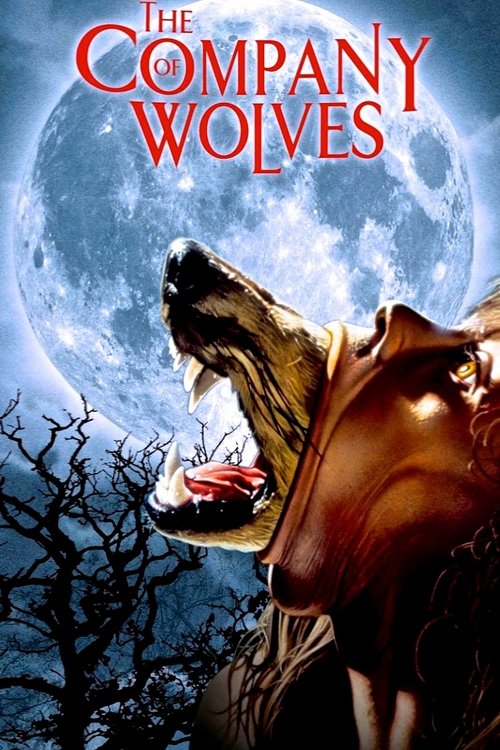
The Company of Wolves
1984
Frequently Asked Questions
Everything you need to know about Beauty and the Beast
- Klaus Kinski brings a unique intensity and psychological depth to the Beast, injecting a sense of both menace and underlying vulnerability. His performance emphasizes the internal struggle of the character, making the Beast less of a monster and more of a tormented figure grappling with his curse.
- The rose, a recurring symbol in 'Beauty and the Beast,' represents both the Beast's curse and the fragility of his hope for redemption. In this version, its symbolism is subtly reinforced through visual cues, highlighting the delicate balance between life, death, and the passage of time within the Beast's enchanted castle.
- Beauty, initially driven by fear and sacrifice, gradually transforms through her interactions with the Beast. She develops compassion and understanding, learning to look beyond his monstrous exterior to see the gentle and suffering being within, ultimately leading to a profound emotional connection.
- This adaptation delves into themes of inner beauty versus outward appearance, the power of compassion, and the redemptive nature of love. It also subtly explores psychological themes of isolation and transformation, making it a more introspective take on the classic tale.
- While not as widely known as some big-screen adaptations, Roger Vadim's 'Beauty and the Beast' is celebrated for its unique artistic vision and memorable performances within the Faerie Tale Theatre series. It offers a distinct and often darker interpretation that appeals to those interested in diverse cinematic takes on classic fairy tales, solidifying its cult status among fans of the genre.

