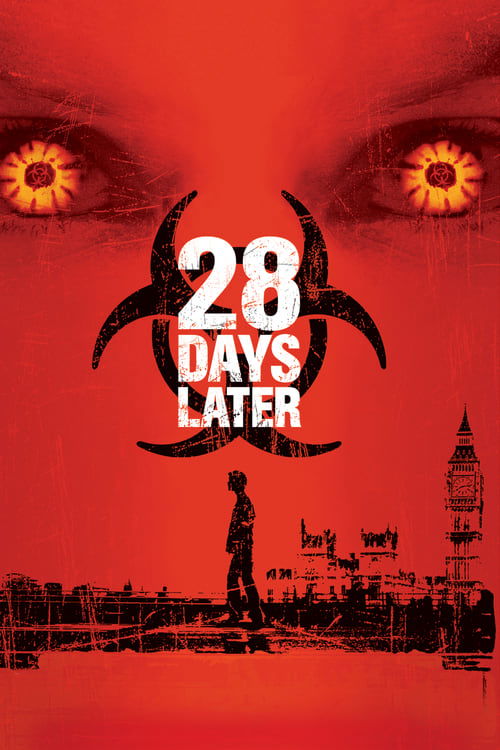
28 Days Later
In a post-apocalyptic London, a terrifying virus transforms the population into raging, bloodthirsty creatures, leaving a handful of survivors to navigate a desolate and dangerous world. "28 Days Later" reinvents the zombie genre with its visceral intensity and unflinching portrayal of humanity's fight for survival against overwhelming odds, solidifying its place as a modern horror classic. Prepare for a relentless cinematic experience that explores the true meaning of fear and resilience.
Director
Danny Boyle
Release Year
2002
Runtime
113 minutes
Main Cast
Cillian Murphy, Naomie Harris, Brendan Gleeson, Megan Burns, Christopher Eccleston
About 28 Days Later
Danny Boyle's "28 Days Later" burst onto the scene in 2002, injecting a much-needed shot of adrenaline into the zombie subgenre. The film is credited with popularizing the "fast zombie" concept, significantly influencing subsequent horror productions and shifting audience expectations for what a zombie apocalypse could entail. Its raw, documentary-style cinematography and grim depiction of societal collapse struck a chord with critics and audiences alike, marking a pivotal moment in 21st-century horror cinema.
The film plunges viewers into a nightmarish scenario where a highly contagious rage-inducing virus has decimated the United Kingdom. Jim, a bicycle courier, awakens from a coma to find London eerily deserted, setting the stage for a desperate search for other survivors and an understanding of the devastating events that transpired. The narrative expertly balances intense action sequences with profound explorations of human nature under duress, questioning who the real monsters are in a world devoid of law and order.
"28 Days Later" was met with widespread critical acclaim, lauded for its innovative approach, gripping suspense, and powerful performances, particularly from Cillian Murphy and Naomie Harris. It garnered numerous awards and nominations, including a BAFTA nomination for Outstanding British Film. Its success not only cemented Danny Boyle's reputation as a visionary director but also inspired a sequel, "28 Weeks Later," and a lasting impact on the horror landscape, demonstrating the genre's capacity for insightful social commentary.
Beyond its immediate impact, the film's legacy endures through its influence on popular culture. It redefined the visual language of the apocalypse and offered a compelling examination of survival ethics, fear, and the fragile line separating civilization from savagery. "28 Days Later" remains a benchmark for horror films, celebrated for its artistic merit and its ability to provoke thought long after the credits roll.
Drafts Featuring 28 Days Later
Every SnakeDrafts listicle where this movie appears
The Best Cillian Murphy Movies, Ranked by Performance and Impact
Ranked #5
Brendan Gleeson's Greatest Movies Ranked
Ranked #8
2002's Best Movies Ranked
Ranked #14
The Greatest Horror Movies Ranked
Ranked #67
The Greatest Horror Movies of 2002
Ranked #2
Top 2000s Horror Movies Ranked
Ranked #3
The Greatest Thriller Movies of 2002
Ranked #24
Similar Movies
Movies related to 28 Days Later
Dawn of the Dead
2004
Train to Busan
2016
28 Weeks Later
2007
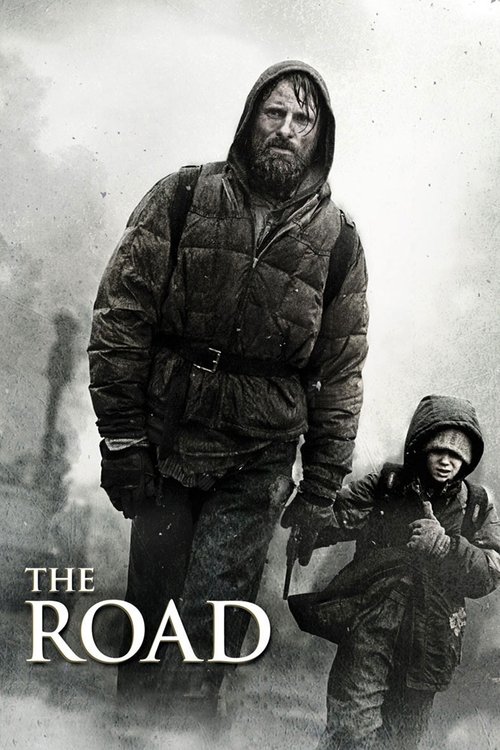
The Road
2009
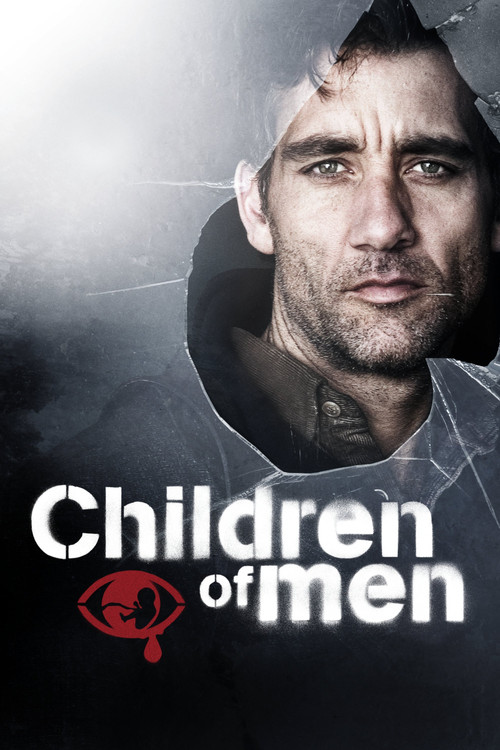
Children of Men
2006
Frequently Asked Questions
Everything you need to know about 28 Days Later
- The 'rage' virus in "28 Days Later" is not a supernatural reanimation but a rapidly spreading infection that transforms humans into hyper-aggressive, bloodthirsty beings. This scientific, and therefore more plausible, origin grounds the horror in a terrifying reality, diverging from typical slow-moving, undead zombies by presenting a much faster and more visceral threat.
- "28 Days Later" delves deeply into the moral degradation that can occur when societal structures collapse. The film illustrates that the infected are not the only threat; uninfected survivors can also succumb to primal instincts, revealing disturbing capacities for cruelty, control, and violence, raising questions about what truly defines a 'monster'.
- The film offers a couple of endings, with the theatrical release providing a glimmer of hope as Jim, Selena, and Hannah are rescued. However, alternative endings exist that paint a bleaker picture of Jim's survival, leaving audiences to ponder the true cost of their escape and the long-term prospects for humanity. This ambiguity underscores the fragile nature of hope in a ravaged world.
- The sound design in "28 Days Later" is crucial to its immersive and terrifying atmosphere. The jarring, primal screams of the infected, coupled with the haunting silence of deserted cities and the intense, percussive score, create a constant sense of dread and urgency. This masterful use of audio amplifies the film's visceral impact and heightens the audience's anxiety.
- Selena represents a hardened, realistic perspective on survival in a brutal new world. Her willingness to make difficult, often ruthless, decisions highlights the extreme measures necessary to stay alive. Her journey, initially cold and detached, gradually reveals a deeper empathy, showcasing the complex emotional toll of enduring such a catastrophic event.

